Jack Mitchell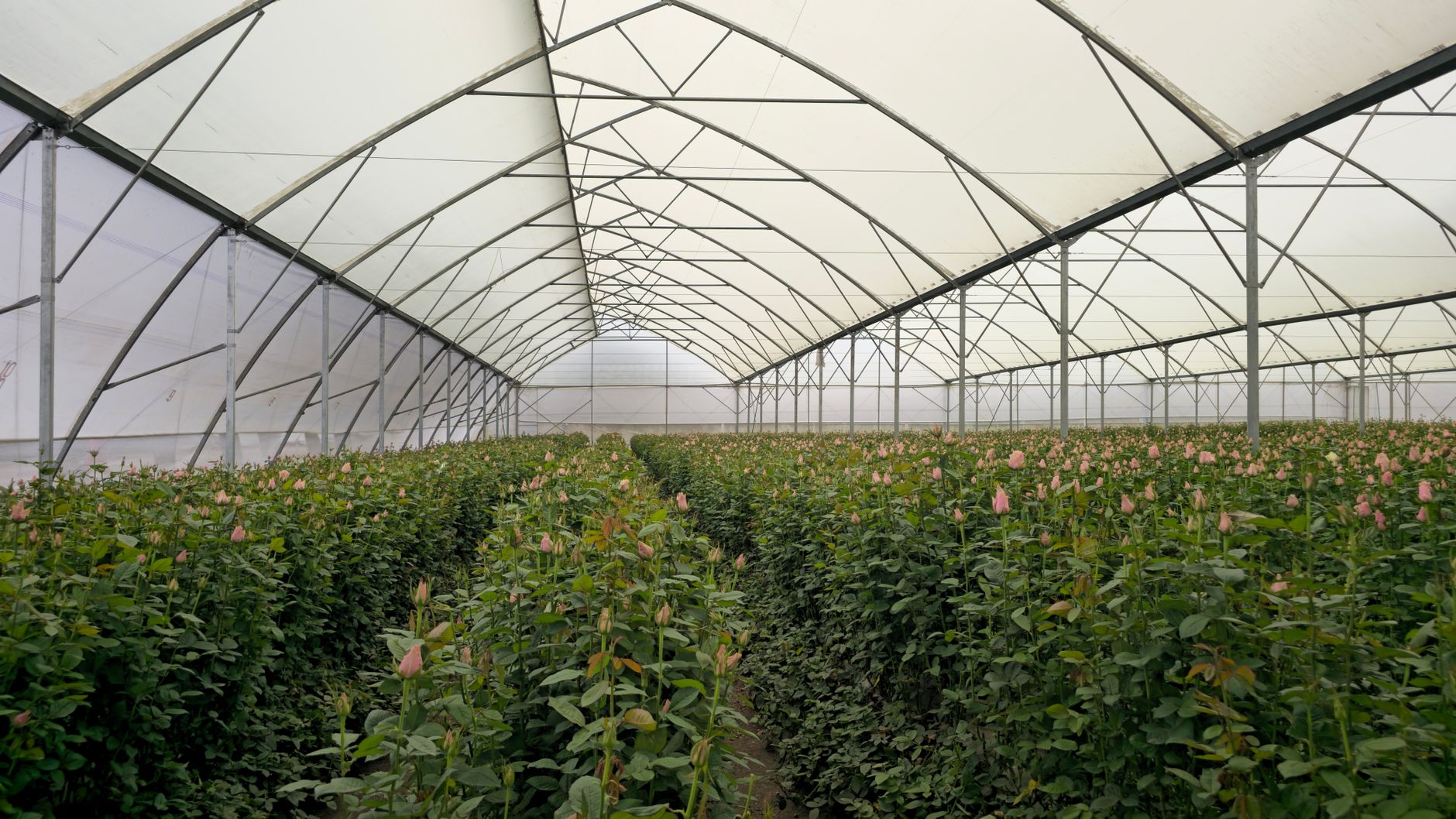
Moroccan Agritech Startup YoLa Fresh has shut down after failing to secure funding, highlighting the challenges faced by startups in the region.
Challenges Facing Agritech Startups
The landscape for Moroccan agritech startups has become increasingly challenging as they navigate a plethora of obstacles. As highlighted by the recent closure of YoLa Fresh, the difficulties in securing funding have proven to be a critical issue for many emerging companies in this sector. The inability to attract investors can stem from various factors, including economic instability and fierce competition.
Startups often face significant hurdles, including:
- Market Saturation: With numerous players entering the agritech space, differentiation becomes a key challenge.
- Regulatory Barriers: Complex regulations can hinder innovation and slow down the growth of startups.
- Access to Technology: Limited access to advanced agricultural technologies can stall progress and development.
- Funding Gaps: The lack of available venture capital specifically targeted at agritech can limit expansion opportunities.
- Consumer Adoption: Gaining consumer trust and encouraging the adoption of new technologies can be a lengthy process.
These challenges highlight the precarious nature of the agritech landscape in Morocco, as startups strive to find sustainable solutions while facing financial constraints. The fate of YoLa Fresh serves as a cautionary tale for other Moroccan agritech startups, emphasizing the need for robust support systems to foster innovation and growth in this vital sector.
The Rise and Fall of YoLa Fresh
YoLa Fresh, a promising Moroccan Agritech startup, experienced a meteoric rise followed by a sudden decline, underscoring the challenges faced by many in this burgeoning sector. Founded with the vision of revolutionizing the agricultural supply chain in Morocco, the company initially gained attention for its innovative approach to connecting local farmers directly with consumers, minimizing waste and maximizing freshness.
However, despite its initial successes and a strong market demand for its services, YoLa Fresh struggled to secure the necessary funding to scale its operations. Investors were hesitant, citing concerns over the sustainability of the business model and the competitive landscape of the agritech industry.
The startup’s founders remained optimistic, believing that their technology could significantly impact food distribution in Morocco. They sought partnerships and explored various funding avenues, including venture capital and government grants. Unfortunately, their efforts fell short as potential investors opted to support more established players in the agritech space.
As the financial strain mounted, YoLa Fresh was forced to downsize its team and operational capabilities. Ultimately, the lack of adequate funding led to the startup’s closure, marking a disappointing end to what once seemed like a bright future for this Moroccan Agritech startup.
In the wake of its shutdown, the story of YoLa Fresh serves as a cautionary tale for aspiring entrepreneurs in the agritech sector, highlighting the importance of securing robust financial backing in a competitive market.
Moroccan Agritech Startup Struggles
The recent closure of the Moroccan agritech startup YoLa Fresh highlights the precarious nature of innovation in the agricultural sector. Once a promising player in sustainable farming, the company faced numerous challenges that ultimately led to its downfall. Despite initial enthusiasm and a dedicated team, YoLa Fresh struggled to secure the necessary funding to scale its operations and reach a broader market.
The agritech landscape in Morocco is competitive, with many startups vying for limited investment resources. Investors are typically drawn to ventures that demonstrate clear profitability and scalability. Unfortunately, YoLa Fresh was unable to present a compelling case, which contributed to its inability to attract the backing it needed. The startup’s reliance on organic produce and sustainable practices, while commendable, may have deterred some investors who were more focused on immediate financial returns.
In addition to funding issues, the startup also faced logistical challenges, including supply chain disruptions and market access hurdles. These factors compounded the difficulties in maintaining operational viability. As the Moroccan agritech startup scene continues to evolve, the story of YoLa Fresh serves as a cautionary tale about the importance of financial stability and strategic planning in achieving long-term success.
Many hope that this setback will inspire future entrepreneurs to learn from the challenges faced by YoLa Fresh and foster a more resilient agritech ecosystem in Morocco.
Future of Agritech in Morocco
The future of agritech in Morocco is uncertain as the industry grapples with funding challenges and market dynamics. Despite the promising potential of Moroccan agritech startups to revolutionize farming practices and enhance food security, many face significant hurdles that hinder their growth and sustainability.
Investors remain cautious, often hesitant to back startups that lack proven business models or scalable solutions. This hesitation has led to a wave of closures, including the recent shutdown of YoLa Fresh, which highlights the precarious nature of the sector. As a result, aspiring entrepreneurs may find it increasingly difficult to secure the necessary capital to launch innovative projects.
However, there is still hope for the future of agritech in Morocco. The government has initiated various programs to support agricultural innovation, recognizing its importance in economic development and job creation. These initiatives aim to foster partnerships between startups and established agricultural enterprises, promoting knowledge sharing and resource allocation.
Moreover, as global demand for sustainable agricultural practices grows, Moroccan agritech startups could position themselves as key players in the market. By leveraging local resources and traditional farming methods, they have the potential to create solutions that cater to both domestic and international needs.
In conclusion, while the current landscape presents challenges, the resilience and creativity of Moroccan agritech startups may pave the way for a more sustainable and innovative agricultural future.
The Moroccan Agritech Startup struggled to maintain its innovative projects due to a lack of financial support. As investors pulled back, the future of the Moroccan Agritech Startup became increasingly uncertain.
Photo by Rajeeb roy on Pexels
Where this came from
You might also like
NVIDIA Reflection AI acquisition: Smart move to compete · Job Titles in the Age of AI: What’s the Right Approach? · World Policy Forum: The Best Proven Leadership Strategies