Jack Mitchell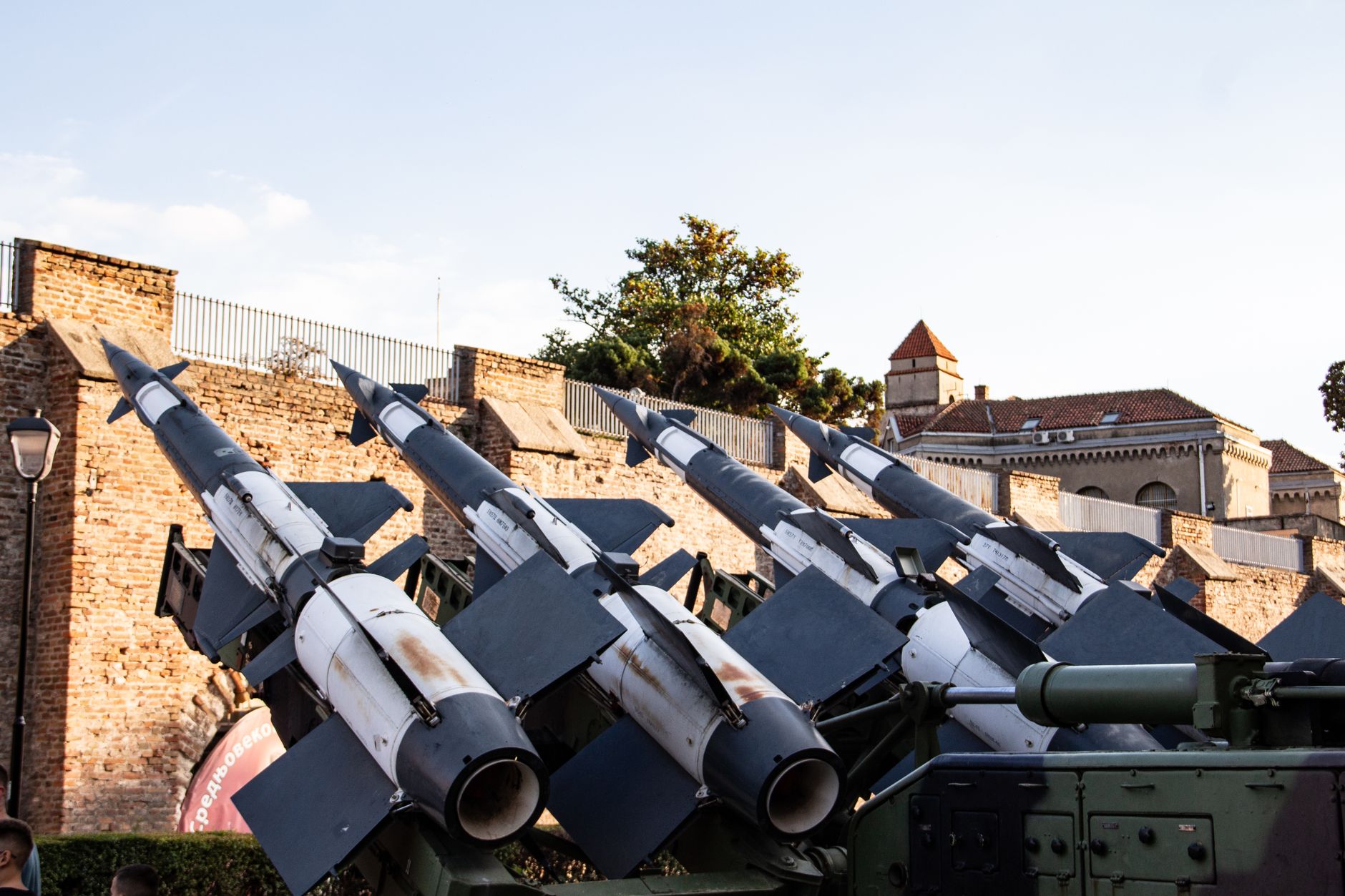
The Fatah-2 missile test marks a significant achievement for Pakistan in defense technology. This successful test showcases the country’s advancements in missile capabilities.
Overview of the Fatah-2 Missile
The Fatah-2 missile test marks a significant advancement in Pakistan’s defense capabilities. This upgraded missile system is designed to strike targets with enhanced precision and efficiency. The Fatah-2, which has undergone various modifications, is a testament to Pakistan’s commitment to modernizing its military arsenal.
Key features of the Fatah-2 missile include:
- Range: The missile is capable of hitting targets at considerable distances, providing strategic advantages in defense scenarios.
- Guidance System: Equipped with advanced guidance technology, the Fatah-2 ensures greater accuracy and minimizes collateral damage.
- Payload Capacity: The missile can carry various types of warheads, allowing for flexibility in operational requirements.
The success of the Fatah-2 missile test not only demonstrates Pakistan’s technological advancements but also reinforces its stance on national security. As military tensions in the region persist, the Fatah-2 serves as a crucial component in Pakistan’s defense strategy.
Significance of the Successful Test
The recent successful test of the Fatah-2 missile marks a significant milestone in Pakistan’s defense capabilities. This development is not merely a demonstration of technological advancement but also a strategic move aimed at strengthening national security.
The implications of the Fatah-2 missile test can be seen in several areas:
- Deterrence: The successful demonstration enhances Pakistan’s deterrent posture against potential adversaries, ensuring a balance of power in the region.
- Technological Advancement: The upgrade showcases Pakistan’s growing expertise in missile technology, reflecting a commitment to advancing its defense systems.
- Regional Stability: By demonstrating an advanced missile capability, Pakistan contributes to regional stability and security dynamics, potentially influencing diplomatic relations with neighboring countries.
- Defense Industry Growth: The successful test is likely to boost the domestic defense industry, fostering innovation and creating opportunities for local manufacturers.
Overall, the successful Fatah-2 missile test represents a pivotal moment for Pakistan’s defense strategy, reinforcing its readiness and commitment to safeguarding its sovereignty.
Pakistan’s Defense Strategy
Pakistan’s defense strategy has consistently evolved to address regional security challenges and technological advancements. The successful Fatah-2 missile test demonstrates a significant leap in the country’s military capabilities, showcasing an emphasis on self-reliance and modernization in defense systems.
Key elements of Pakistan’s defense strategy include:
- Indigenous Development: Emphasizing homegrown technology, Pakistan aims to reduce dependency on foreign military supplies.
- Deterrence Capability: The Fatah-2 missile serves as a critical component in establishing a credible deterrent against potential threats, ensuring national security.
- Collaboration and Innovation: Partnerships with local defense industries and research institutions foster innovation, leading to advanced weapon systems.
- Regional Stability: By enhancing its missile capabilities, Pakistan seeks to contribute to a balanced power dynamic in South Asia.
The successful test of the Fatah-2 missile not only reinforces Pakistan’s defense posture but also reflects its commitment to maintaining peace and stability in the region.
International Reactions to the Test
The recent successful test of the Fatah-2 missile has garnered significant international attention, with reactions varying widely across different nations and political factions.
Many defense analysts have praised Pakistan’s advancements in missile technology, viewing the test as a demonstration of growing military capabilities. Key points of reaction include:
- United States: Officials expressed concern over the potential escalation of arms competition in South Asia, urging for diplomatic dialogues to prevent misunderstandings.
- India: Government spokespersons condemned the test, labeling it a provocative act that could destabilize regional security.
- China: In a supportive stance, China congratulated Pakistan on its successful test, emphasizing the importance of strategic partnerships in counterbalancing regional threats.
- Russia: Analysts in Russia noted the test as a reaffirmation of Pakistan’s defense strategy and its commitment to maintaining a strong deterrent posture.
Overall, the Fatah-2 missile test has sparked a conversation about the implications for regional security dynamics and the balance of power in South Asia.
Future of Missile Technology in Pakistan
The successful Fatah-2 missile test marks a significant milestone in Pakistan’s defense capabilities, showcasing the country’s advancements in missile technology. As regional security dynamics shift, Pakistan is likely to invest further in developing and enhancing its missile systems to maintain a strategic balance in South Asia.
Experts believe that the future of missile technology in Pakistan will focus on several key areas:
- Increased Range and Accuracy: Ongoing research and development efforts aim to extend the range of missiles while improving targeting precision.
- Integration of Advanced Technologies: Incorporating artificial intelligence and modern guidance systems will enhance operational effectiveness.
- Collaboration with Allies: Strengthening partnerships with other countries can lead to technology transfer and collaborative defense projects.
- Development of Multi-Role Systems: Future missile systems may be designed for diverse applications, including tactical and strategic roles.
As Pakistan continues to enhance its military capabilities, the Fatah-2 missile test serves as a foundation for future innovations in defense technology.
Photo by Boris Hamer on Pexels