Jack Mitchell
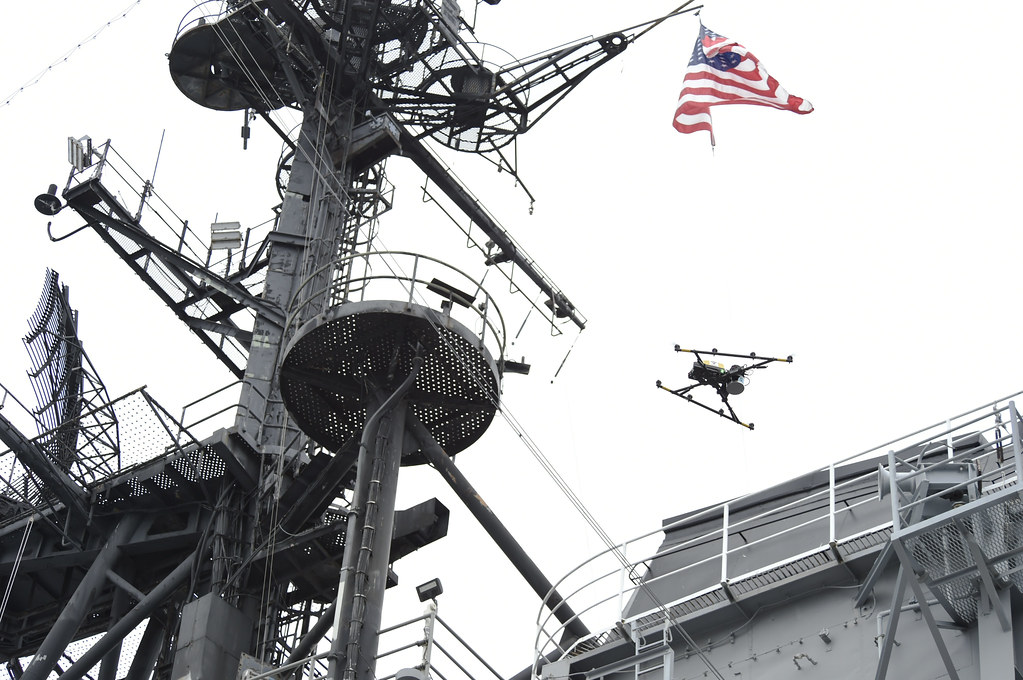
California unmanned vessel technology is making waves in maritime operations. Quickfish has developed an unmanned vessel that operates as a satellite relay, launching drones for extended missions at sea.
Overview of Quickfish Technology
Quickfish technology represents a significant advancement in the realm of maritime operations, particularly with its innovative use of California unmanned vessels. This sophisticated unmanned vessel is designed to function as a satellite relay, enhancing communication capabilities while at sea.
One of the standout features of Quickfish is its ability to launch drones, allowing for extensive aerial surveillance and data collection. This capability is particularly beneficial for various applications, ranging from environmental monitoring to search and rescue missions.
Key aspects of Quickfish technology include:
- Extended Operational Range: The vessel can remain at sea for up to four weeks, making it ideal for long-term missions.
- Automated Launch System: Quickfish’s design allows for seamless drone deployment, enhancing the efficiency of operations.
- Robust Communication Links: Acting as a satellite relay ensures that data transmitted from drones is received in real-time, facilitating timely decision-making.
This combination of features positions the California unmanned vessel as a game-changer in maritime technology, paving the way for enhanced capabilities in various fields.
How the Unmanned Vessel Operates
The California unmanned vessel, known as Quickfish, operates with sophisticated technology that enhances its functionality and endurance. Designed for long-duration missions, Quickfish can remain at sea for up to four weeks, serving as a satellite relay while launching drones for various applications.
Key features of the Quickfish unmanned vessel include:
- Autonomous Navigation: Equipped with advanced navigation systems, Quickfish can autonomously navigate through challenging maritime environments, allowing for seamless operation without constant human oversight.
- Drone Launch System: The vessel is designed to deploy multiple drones, which can be utilized for tasks such as data collection, surveillance, and environmental monitoring.
- Communication Capabilities: Quickfish maintains a steady connection with command centers through satellite communication, ensuring real-time data transfer and operational updates.
- Energy Efficiency: The vessel employs renewable energy sources, maximizing its operational time while minimizing environmental impact.
Through these capabilities, the Quickfish unmanned vessel significantly enhances maritime operations, providing a reliable and efficient platform for launching drones in diverse scenarios.
Benefits of Satellite Relay Systems
The California unmanned vessel, Quickfish, utilizes advanced satellite relay systems that enhance its operational capabilities significantly. These systems provide numerous benefits that optimize the vessel’s performance while at sea.
- Extended Range: With satellite communication, Quickfish can maintain connectivity over vast distances, allowing for real-time data transmission and control.
- Improved Coordination: The satellite relay system enables seamless coordination between the unmanned vessel and its support teams, ensuring that missions are executed efficiently.
- Enhanced Surveillance: The ability to relay data from drones launched by Quickfish enables comprehensive surveillance of large maritime areas, providing critical information for various applications.
- Autonomous Operations: The satellite system supports autonomous operation, allowing the unmanned vessel to perform tasks without constant human intervention, which is essential for long-duration missions.
- Real-Time Monitoring: Operators can monitor the status of the Quickfish unmanned vessel and its deployed drones in real time, facilitating timely decision-making based on current data.
Overall, the integration of satellite relay systems into the California unmanned vessel design enhances its functionality, making it a pioneering solution in maritime operations.
Applications for Maritime Drones
The applications for maritime drones, such as the California unmanned vessel Quickfish, are vast and varied, enhancing operations across multiple sectors. These innovative vessels can revolutionize how we approach maritime surveillance, search and rescue missions, and environmental monitoring.
Some key applications include:
- Surveillance and Security: The unmanned vessel can be deployed for coastal surveillance, monitoring shipping lanes, and detecting illegal fishing activities, providing real-time data to authorities.
- Search and Rescue Operations: Equipped with drones, Quickfish can extend its reach during emergencies, delivering supplies, locating missing persons, or assessing disaster areas quickly and efficiently.
- Environmental Monitoring: The vessel can collect data on water quality, track marine life, and monitor the impacts of climate change over extended periods, facilitating better conservation efforts.
- Commercial Fishing Support: Fishermen can utilize the unmanned vessel to scout for fish locations, reducing time and fuel costs while increasing catch efficiency.
Overall, the California unmanned vessel is paving the way for a new era of maritime operations, leveraging advanced technologies to address critical challenges in the marine environment.
Future of Unmanned Vessels in Ocean Exploration
The future of unmanned vessels in ocean exploration looks promising, particularly with advancements like California’s Quickfish unmanned vessel. As the demand for efficient and cost-effective maritime research grows, these technologies are set to revolutionize the way we study marine environments.
Unmanned vessels such as Quickfish offer several advantages that enhance their potential for long-term ocean exploration:
- Increased Reach: Capable of covering vast oceanic areas, these vessels eliminate the constraints of human crews, allowing for extended missions.
- Data Collection: Equipped with advanced sensors, unmanned vessels can gather critical data on ocean conditions, wildlife, and environmental changes.
- Cost Efficiency: Operating unmanned vessels reduces the costs associated with manned missions, making ocean exploration more accessible.
- Safety: By keeping human operators safely on land, risks associated with harsh maritime conditions are significantly minimized.
As technology continues to evolve, we can expect to see an increase in the deployment of California unmanned vessels like Quickfish in both research and commercial applications. This shift will enable scientists and researchers to conduct more comprehensive studies, ultimately leading to a better understanding of our oceans.
Challenges and Limitations of Current Technology
Despite the advancements in maritime technology, the California unmanned vessel, Quickfish, faces several challenges and limitations. One of the primary concerns is the vessel’s dependency on satellite communication, which can be disrupted by severe weather conditions or geographic obstacles. This reliance may hinder its operational efficiency during critical missions.
Another significant limitation is the energy consumption required for extended operations. Quickfish can remain at sea for up to four weeks, but the need for constant power to support its drone launching capabilities can lead to rapid depletion of onboard resources. This situation necessitates careful planning and energy management to ensure mission success.
Additionally, while the unmanned vessel is designed to operate autonomously, unforeseen technical malfunctions can pose serious risks. The complexity of the systems involved increases the likelihood of failures, which could compromise both the vessel and its deployed drones.
Lastly, regulatory hurdles also present a challenge. Navigating the legal landscape surrounding unmanned maritime operations is complex, as various jurisdictions impose different rules that can affect the deployment and functionality of the California unmanned vessel.
In conclusion, while Quickfish represents a significant step forward in unmanned vessel technology, addressing these challenges will be crucial for its future success.
The California unmanned vessel has revolutionized the way we approach marine research and surveillance. With Quickfish’s proven drone launching capabilities, operators can deploy drones efficiently from the California unmanned vessel, enhancing their operational reach.
By Office of Naval Research via Openverse