Jack Mitchell
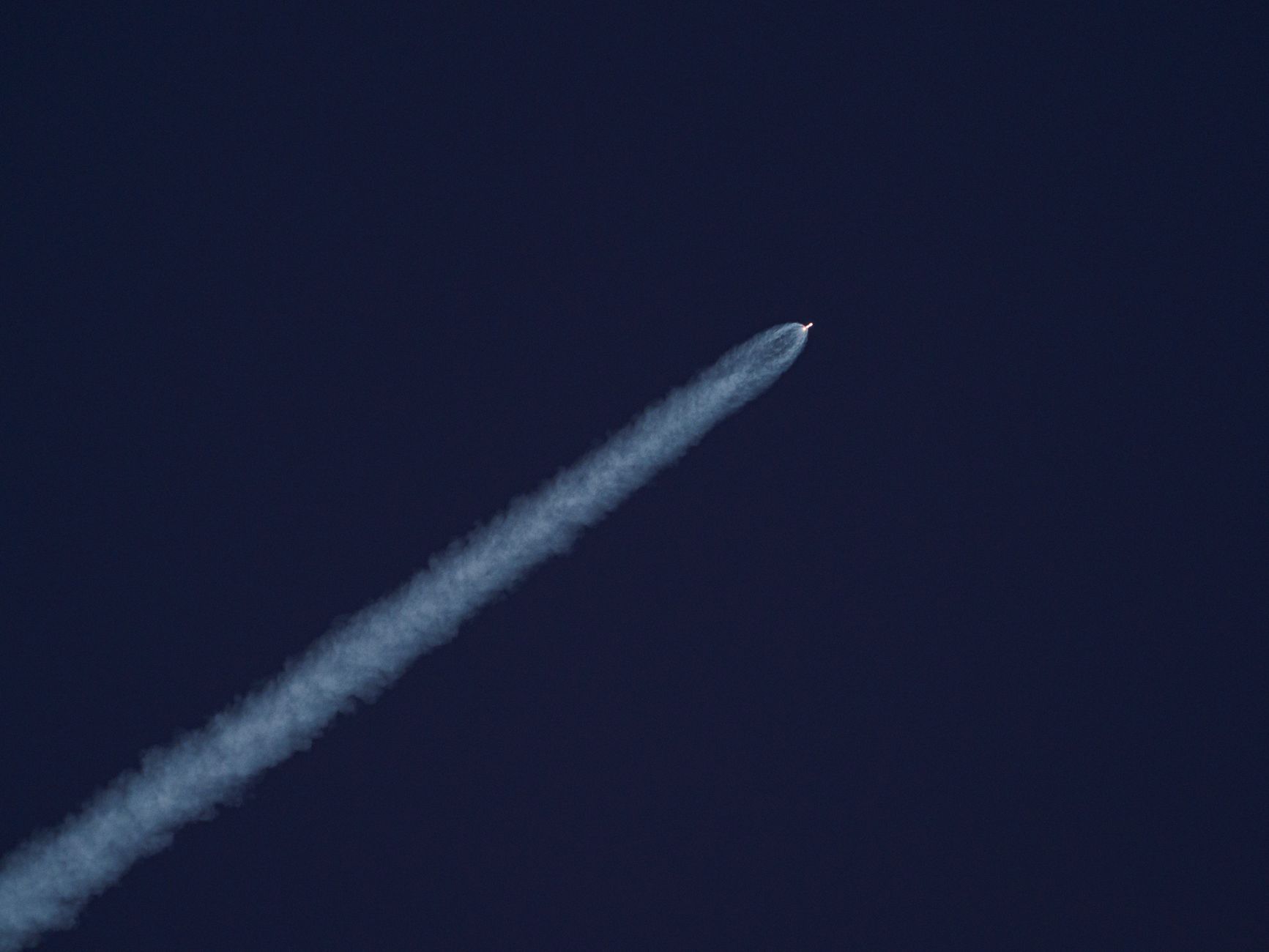
The Starship test flight has successfully reached orbit on its 14th attempt, marking a significant milestone in space exploration. This achievement highlights the progress made by SpaceX in developing reliable space travel technology.
Overview of the Starship Test Flight
The recent Starship test flight has marked a significant milestone in space exploration, successfully reaching orbit on its 14th attempt. This achievement follows numerous trials that have pushed the boundaries of aerospace engineering and innovation.
Designed and developed by SpaceX, the Starship spacecraft aims to facilitate missions to the Moon, Mars, and beyond. The successful test flight showcases the advancements made in rocket technology and the potential for future interplanetary travel.
The mission was characterized by several key features:
- Launch Sequence: The launch took place from SpaceX’s facility in Texas, where the rocket was able to perform a flawless takeoff.
- Orbit Achievement: For the first time, Starship successfully entered orbit, demonstrating its capabilities to reach the intended trajectory.
- Data Collection: During the flight, engineers gathered valuable data that will inform future designs and improvements.
- Landing Objectives: Although the primary goal focused on reaching orbit, the mission also aimed to test landing protocols that will be critical for future missions.
This successful Starship test flight has heightened expectations for upcoming space missions, igniting excitement among scientists, engineers, and space enthusiasts worldwide. As SpaceX continues to refine this technology, the possibilities for human exploration of other planets seem closer than ever.
Key Milestones Achieved
In a groundbreaking achievement, the Starship test flight marked several key milestones that underscore its potential for future space exploration. The successful launch on its 14th attempt not only demonstrated the rocket’s capabilities but also set new benchmarks for the aerospace industry.
- First Successful Orbital Flight: The Starship completed its first successful orbital flight, a significant step that many experts believed was crucial for its development. This flight allowed for valuable data collection that will inform future missions.
- Payload Deployment: During the mission, the Starship successfully deployed a payload into orbit, showcasing its ability to carry cargo—an essential function for potential commercial and scientific missions.
- Safe Re-Entry: The vehicle demonstrated its re-entry capabilities, returning safely to Earth. This accomplishment is vital for ensuring the safety of future manned missions.
- Increased Performance Metrics: Engineers noted improvements in performance metrics compared to previous flights, including stability during ascent and fuel efficiency, enhancing the rocket’s reliability.
These milestones not only highlight the advancements made with the Starship test flight but also pave the way for subsequent missions aimed at deep space exploration. As the aerospace community reflects on this success, the anticipation for future developments continues to grow.
Future Plans for Starship
As SpaceX celebrates the success of the Starship test flight, the company is already mapping out future plans to enhance the spacecraft’s capabilities and performance. Following the historic achievement of reaching orbit on its 14th attempt, SpaceX aims to build on this momentum by focusing on several key areas.
- Increased Frequency of Launches: SpaceX plans to conduct more frequent test flights of the Starship, utilizing the data gathered from this successful mission to refine designs and operational procedures.
- Enhanced Payload Capacity: Future iterations of the Starship will target improvements in payload capacity, enabling the transport of larger cargoes and more passengers for long-duration missions.
- Interplanetary Missions: With the success of the recent test flight, SpaceX is prepping for ambitious interplanetary missions, including plans for lunar landings and eventually manned missions to Mars.
- Collaboration with NASA: Ongoing collaborations with NASA for lunar exploration are expected to accelerate, leveraging the capabilities demonstrated in the Starship test flight.
Additionally, SpaceX is focusing on developing a robust ground support infrastructure to streamline operations and maintenance for the Starship program. The successful test flight has paved the way for a new era in space exploration, positioning SpaceX as a leader in the industry.
Impact on Space Exploration
The successful Starship test flight has marked a significant milestone in the realm of space exploration, showcasing the potential for future missions beyond Earth. With its 14th attempt finally achieving orbital altitude, the implications for both commercial and scientific endeavors are profound.
As the first fully integrated launch of a spacecraft capable of carrying humans and cargo to destinations like the Moon and Mars, the Starship test flight represents a leap forward in interplanetary travel. This success not only bolsters confidence in SpaceX’s technology but also paves the way for a new era of space missions.
Industry experts have highlighted several key impacts of this achievement:
- Commercial Opportunities: The successful test flight opens doors for private companies to engage in space tourism and asteroid mining.
- International Collaboration: Countries around the world may be inspired to collaborate on missions utilizing Starship’s capabilities, enhancing global partnerships in space.
- Scientific Research: With the ability to transport large payloads, Starship can facilitate more ambitious research projects, including the study of Mars’ surface and atmosphere.
- Public Interest: The success of the Starship test flight has rekindled public enthusiasm for space exploration, potentially influencing future generations.
Ultimately, this breakthrough solidifies the foundation for a sustainable human presence beyond Earth, transforming aspirations into reality.
Technical Challenges Faced
The recent Starship test flight marked a significant achievement for SpaceX, but it was not without its technical challenges. Throughout the development process, engineers faced a variety of obstacles that tested their ingenuity and resilience.
- Engine Reliability: One of the primary concerns was ensuring the reliability of the Raptor engines. Initial tests revealed performance inconsistencies that required extensive modifications to improve stability and efficiency.
- Aerodynamic Stability: As the Starship ascended, maintaining aerodynamic stability proved difficult. Engineers conducted numerous simulations to understand airflow and structural integrity during different flight phases.
- Launch Pad Infrastructure: The launch pad itself presented unique challenges. Modifications were necessary to accommodate the massive size of Starship, including reinforcing the launch structure and improving fueling systems.
- Software and Navigation: The software systems that guide the spacecraft through various phases of flight had to undergo rigorous testing. Any software glitches could jeopardize the entire mission, necessitating multiple iterations and updates.
Despite these hurdles, the culmination of efforts paid off on the 14th attempt, demonstrating the tenacity and innovative spirit of the SpaceX team. The successful Starship test flight not only highlighted their ability to overcome these challenges but also set a new standard for future missions in space exploration.
By jurvetson via Openverse