Jack Mitchell
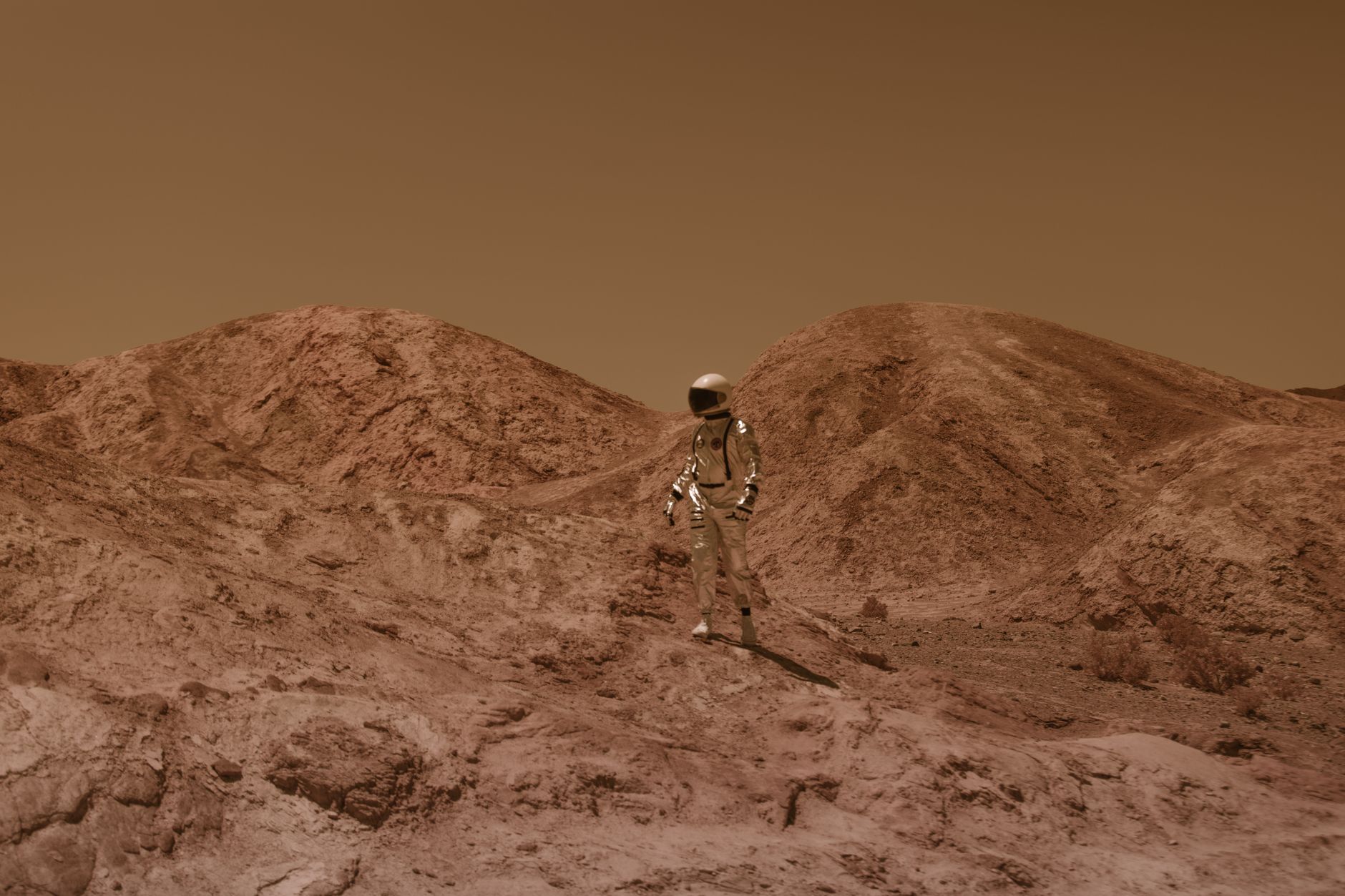
Mars sample return is an exciting initiative by NASA aimed at bringing Martian soil and rock samples back to Earth. This mission promises to enhance our understanding of the Red Planet and its potential for past life.
Overview of the Mars Sample Return Mission
The Mars Sample Return mission represents a pivotal effort to bring back samples from the Red Planet, enabling scientists to analyze Martian materials in greater detail than ever before. This ambitious initiative aims to collect and return samples that could provide insights into Mars’ geological history and potential for past life.
The mission involves several key phases:
- Sample Collection: Rovers will gather soil and rock samples from diverse Martian environments.
- Sample Storage: Collected samples will be securely stored in specially designed containers to preserve their integrity.
- Sample Launch: A mission will be launched from Mars to transport the samples into orbit.
- Return to Earth: A spacecraft will then bring the Martian samples back to Earth for detailed analysis.
This comprehensive approach is essential for the success of the Mars Sample Return mission, which promises to answer fundamental questions about the planet’s past and its potential for hosting life. NASA’s renewed commitment to this initiative underscores the importance of planetary exploration in understanding our solar system.
Key Technologies for Sample Collection
The Mars Sample Return mission relies on several key technologies to ensure successful sample collection from the Red Planet. These innovations are critical for retrieving and transporting Martian soil and rock samples back to Earth.
- Sample Collection System: A sophisticated mechanism designed to gather and store samples. It must operate in harsh Martian conditions while ensuring sample integrity.
- Rover Mobility: The rover tasked with sample collection requires advanced mobility systems to navigate diverse terrains, including rocky surfaces and dusty plains.
- Autonomous Navigation: To travel efficiently, the rover will utilize autonomous navigation technologies that allow it to make real-time decisions, reducing the need for constant communication with Earth.
- Sealing and Containment: Once collected, samples must be securely sealed to prevent contamination during their journey back to Earth. This involves the use of specially designed containers.
- Launch Systems: A robust launch system will be necessary to transport the samples from Mars to orbit before they are sent back to Earth, ensuring a safe return.
These technologies collectively support the ambitious goal of the Mars Sample Return mission, paving the way for unprecedented scientific discovery.
Why Mars Samples Matter for Science
The study of Martian samples is crucial for advancing our understanding of the Red Planet and its potential to support life. By analyzing these samples directly on Earth, scientists can unlock vital information about Mars’ geology, climate, and possible biological history.
Here are some reasons why Mars samples matter for science:
- Understanding Mars’ Climate: Samples allow researchers to reconstruct the planet’s climatic history and identify changes over time.
- Searching for Signs of Life: Analyzing soil and rock samples can reveal whether microbial life ever existed on Mars, providing insights into the potential for life beyond Earth.
- Planetary Comparisons: By studying Martian materials, scientists can compare them with samples from Earth and the Moon, enhancing our understanding of planetary formation and evolution.
- Resource Utilization: Knowledge gained from these samples will aid future human missions to Mars, particularly in identifying resources for long-term habitation.
Ultimately, the Mars sample return mission represents a pivotal step in our quest to unravel the mysteries of our neighboring planet.
Timeline for Mars Sample Return
The timeline for the Mars sample return mission is crucial for planning and execution. NASA has outlined several key milestones that will guide the mission’s progress.
- Launch Phase: The mission is set to begin with the launch of the Mars Sample Return spacecraft, expected to occur in the mid-2020s. This initial phase will involve the assembly of a sophisticated launch vehicle capable of reaching Mars.
- Sample Collection: Following the launch, the spacecraft will land on Mars, where it will retrieve samples collected by the Perseverance rover. This process is anticipated to take several months, ensuring that all necessary samples are gathered.
- Return Journey: After collecting the samples, the spacecraft will initiate its journey back to Earth, targeting a return in the early 2030s. This phase will require precise navigation and technology to ensure safe passage.
- Earth Arrival: Upon arrival, the samples will be subjected to rigorous analysis, providing valuable insights into Mars’ geology and potential for past life.
These steps are essential for a successful Mars sample return, paving the way for future explorations of the Red Planet.
Photo by RDNE Stock project on Pexels
References
Space · Mars sample-return mission
Samsung Galaxy S27+ certification: Clear Path to Launch · Open AI-native stack: The Smart Way to Use Kubernetes · Infinix XBook 14 Neo: The Best Ultra-Light Laptop for You